Life Impact Lab
Stuttering is more than a speech behavior. It’s a condition that can negatively (and often severely) impact the life of a person. Stuttering can dictate what a person does or does not do, what jobs think they think they can do, what classes they take, whether they speak to someone on the sidewalk, whether they think they can be happy or have success. Stuttering is more than just stuttering so research in stuttering is more than just research into disfluent speech.
Research in the Life Impact Lab (Life Impact of Speech and Stuttering Lab) investigates the lived experience of the condition. We want to know what makes one person experience stuttering differently from someone else. What protects or influences one individual from being more negatively impacted by stuttering compared to someone else? Can we identify these influencing factors? If we can, can we prevent them or treat them through therapy? It’s these deep questions that drive research in this area.
To answer these questions, we use neuroimaging, survey, and qualitative methodologies. If you are a child who stutters, an adult who stutters, or a parent or family member of a person who stutters, please contact us to participate in our research.
Topics
- The Neural Basis of Stuttering Moments: We want to know how moments of stuttering occur, why they are highly variable in time, and what the neurophysiological basis of stuttering is. We also seek to better understand the interaction of cognition, attention, and language on speech motor control in people who stutter to better understand the underlying nature of the loss of control.
- Adverse Impact: The term, adverse impact, describes the lived experience layered on to the loss of control. How people who stutter manage and react to moments of stuttering through feelings, behaviors, and thoughts are one component. Other components are the broader life limitations and participation restrictions caused by those reactions and broader environmental or societal influences, such as stigma or prejudice.
- Stuttering Treatment: Studying stuttering for stuttering’s sake is theoretically interesting but, more importantly, we seek to help people who stutter live their lives more freely, adaptively, and openly so they can be less burdened by stuttering. In our lab, we seek to improve therapeutic outcomes by developing and refining therapeutic approaches to target stuttering and its lived experience.
- Individual Differences: People who stutter are not monoliths and one person cannot be seen as a Rosetta stone for another. Throughout our research we adopt individual-difference or sub-group perspectives to identify why and how people who stutter experience stuttering differently, so that treatment can be tailored.
Affiliations & Collaborators
- The Developmental Speech Lab, Michigan State University
- The Brain Systems for Language Lab, University of Pittsburgh
- Seminole Stuttering Center, Florida State University
- Multimodal Methods for Noninvasive Neuroimaging, Stony Brook University and the University of Pittsburgh
- Spartan Stuttering Lab Michigan State University
Funding
People
Faculty
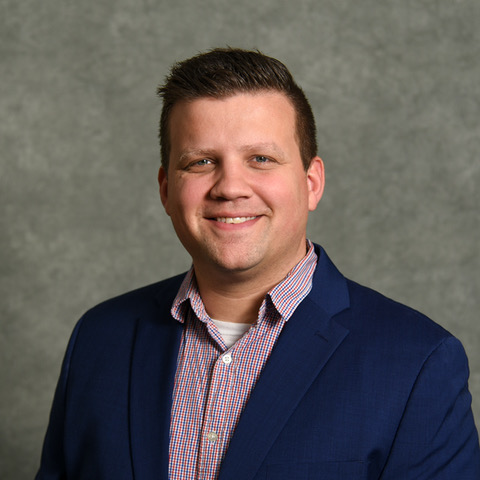
Seth E Tichenor, Ph.D., CCC-SLP, BCS-SCF
Seth E. Tichenor is an Associate Professor at Duquesne University in the Department of Speech-Language Pathology. His research interests include better understanding and predicting individual differences in the experience of stuttering, understanding how adverse impact related to the condition develops, and determining how moments of stuttering occur in speech. His research is funded by the National Institutes of Health. He practices clinically as a board-certified stuttering specialist and is actively involved in clinical education regarding stuttering assessment and treatment. He has received the Presidential Award for Excellence in Scholarship at Duquesne University and the Early-Career Research Award by the World Stuttering and Cluttering Organization. Seth holds a Ph.D. from Michigan State University, a M.S. in Speech-Language pathology the University of Pittsburgh, and a A.B. in Classics (with double minors in Ancient Greek and Mathematics) from Wabash College.
Graduate and Undergraduate Students

Molly Sullivan
Molly Sullivan is a fourth year graduate speech-language pathology student at Duquesne University with a minor in health and human services. She is incredibly grateful to be apart of the lab for 3 years now, and her favorite thing to do is to help run subjects and hear the stories of so many interesting people. She has a strong interest in research, and loves to learn about stuttering and neuroscience. Outside of school you can find her at a local coffee shop, reading a good book, or running!
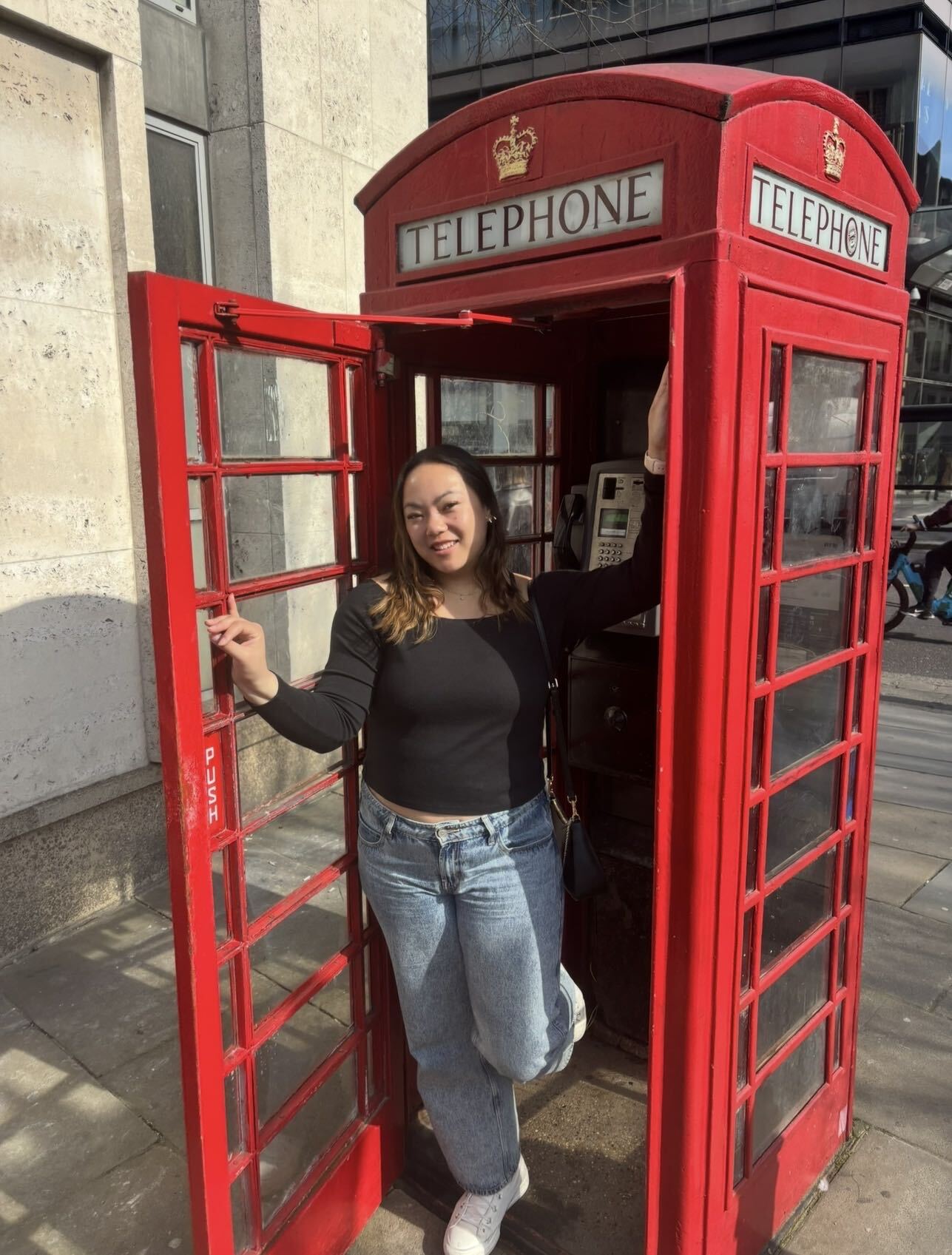
Megan Kelley
Megan Kelley is a first-year professional phase student in Duquesne University’s Speech-Language Pathology Program. She is originally from Greenville, Pennsylvania. As a student in Dr. Tichenor’s lab, she assists in conducting research by running research subjects, data transcription, and coding qualitative data analysis. She also actively participates in collaborative meetings with students and faculty from the University of Pittsburgh. She has presented research at the Pennsylvania Speech-Language-Hearing Association (PSHA) convention and the Duquesne University Undergraduate Research Symposium, and at the annual meeting of the American Speech-Language-Hearing Association (ASHA) convention. Megan’s interest in speech-language pathology developed through her experience working in a skilled nursing facility, where many of her residents had various communication and swallowing disorders. This experience inspired her interest in the field and her desire to expand her knowledge across all areas of speech-language pathology.
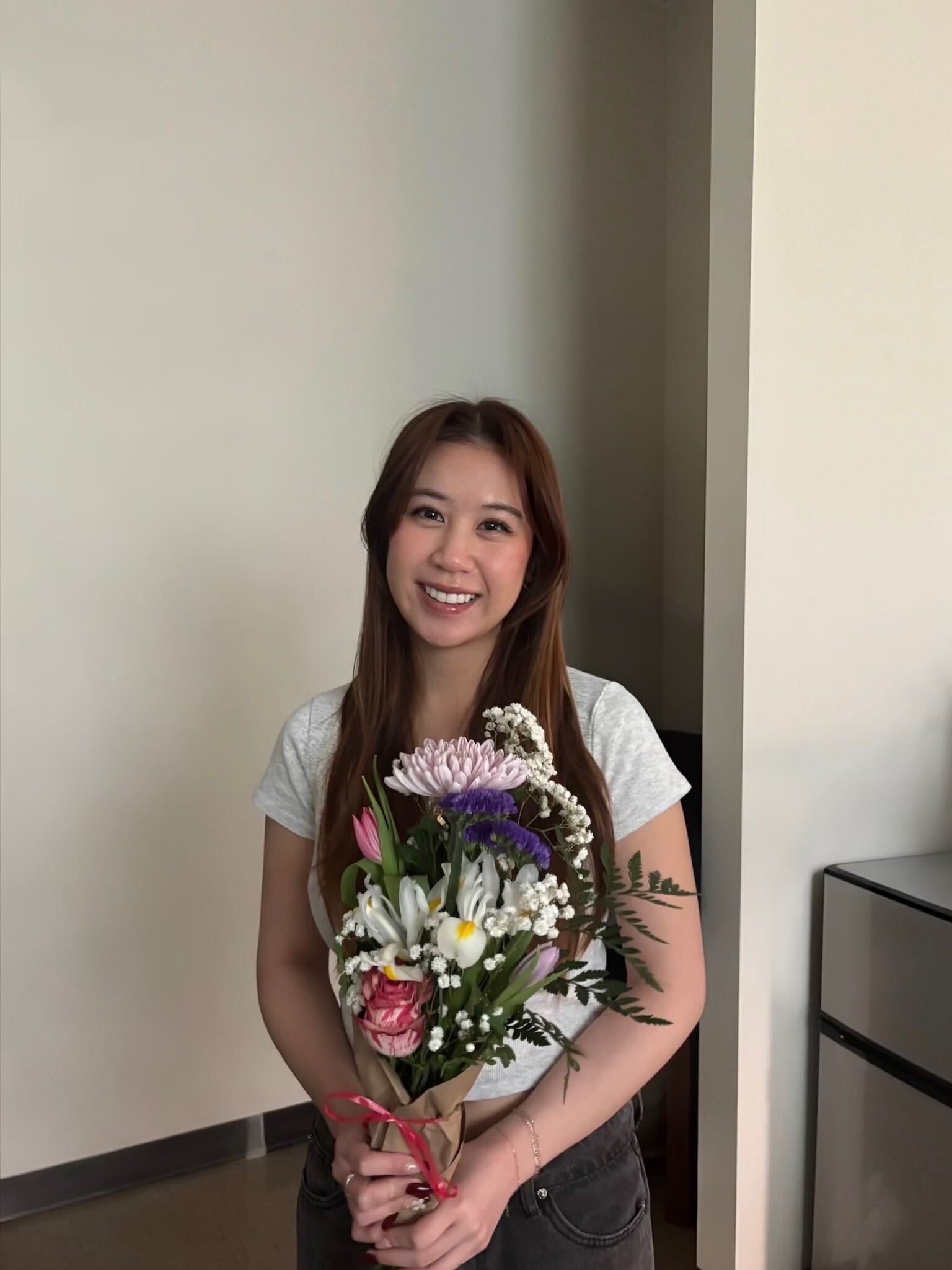
Kaitlyn Chan
Kaitlyn is a undergraduate Speech-Language Pathology student with minors in Psychology and Public Health as well as a student researcher in Dr. Tichenor’s Stuttering Lab. She’s especially interested in how our thoughts and emotions can affect the way we communicate, particularly for people who stutter. In the lab, she helps run research subjects and assists with data transcription, coding, and qualitative analysis. She enjoys getting hands-on research experience and learning more about how psychology plays a role in speech and communication. After graduation, Kaitlyn hopes to work in a hospital setting, helping patients with communication disorders and making a positive difference in their lives.
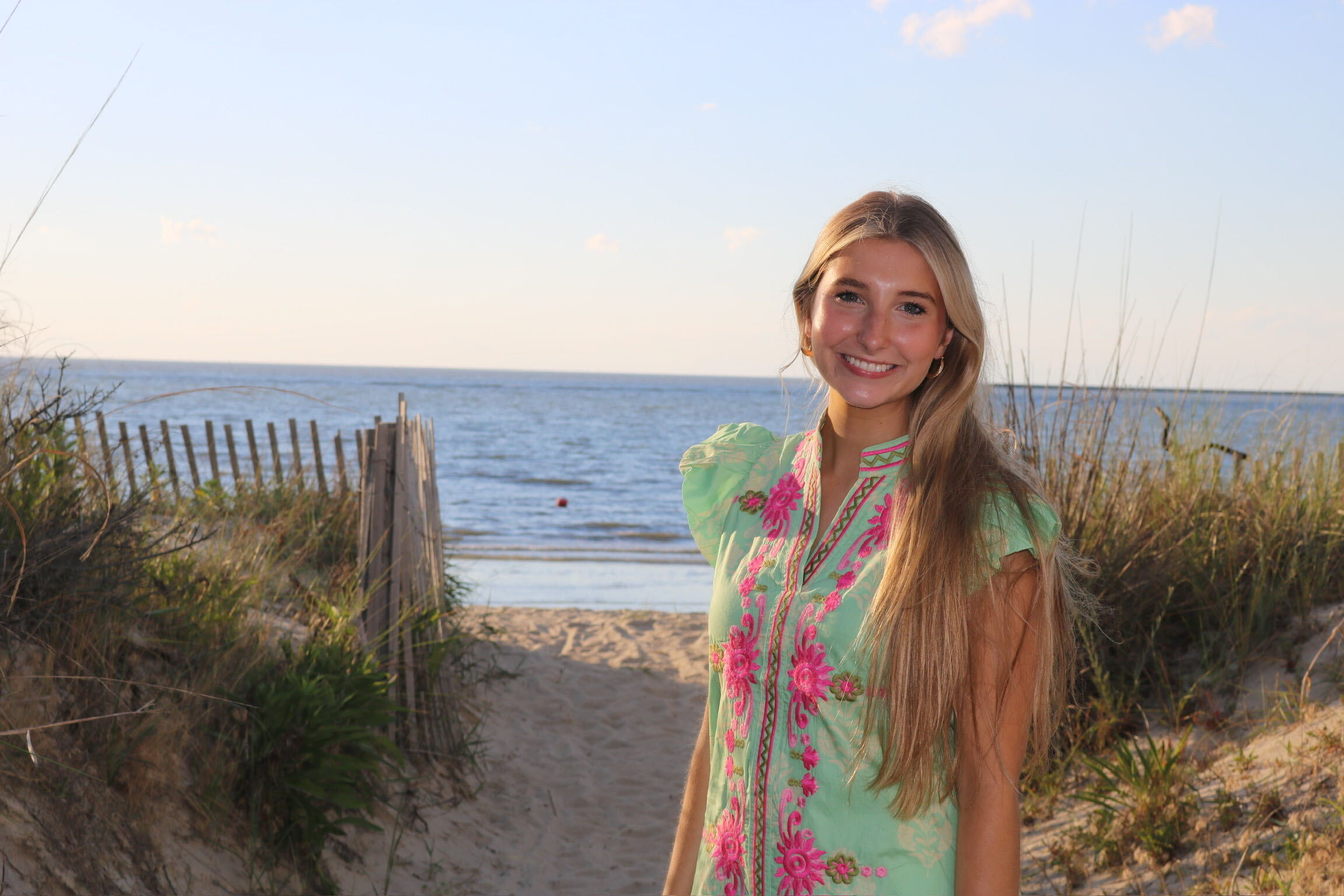
Jenna Miller
Jenna Miller is a third-year undergraduate student in Duquesne University’s Speech-Language Pathology program and is originally from Annapolis, Maryland. As as researcher assistant in Dr. Tichenor’s lab, she assists with running research participants, data transcription and coding, and qualitative data analysis. She has also conducted research examining vocal quality in teachers, which she presented at the Pennsylvania Speech-Language-Hearing Association (PSHA) Convention and Duquesne’s Undergraduate Research and Scholarship Symposium, where she received an award for her research. She is currently completing an independent study exploring the use of artificial intelligence to interpret dysarthric speech. Her interest in speech-language pathology began through her background in vocal training and performance, and she is interested in exploring the intersection of research, technology, and communication
Opportunities
Graduate Research Assistants
Although currently I am not seeking a GRA for ongoing research projects, there is a good chance that I may have opportunities in the near future. If you are a masters student and would like to gain some research experience in my lab or to even complete a master’s thesis, please send me an email with the following information:
- Your CV.
- A brief statement of your research interests.
- A brief summary of your prior research experience and skills.
Undergraduate Research Assistants
If you are an undergraduate student and would like to gain some research experience in my lab, don’t hesitate to send me an email. I frequently have specific research tasks that make for great undergraduate research projects. If you are interested, please send me an email with the following information:
- Your CV.
- A brief statement describing specific research topics you are interested in and why.
Visitors
I am happy to welcome visiting scholars and students to my lab. Although I do not have funding at the moment to sponsor visitors, I would be happy to host you if you can be funded by your own institutions or other sources. Please email me your CV and research plan for further discussions.